Predictive SEO Analytics: Forecasting the Future of Search Performance
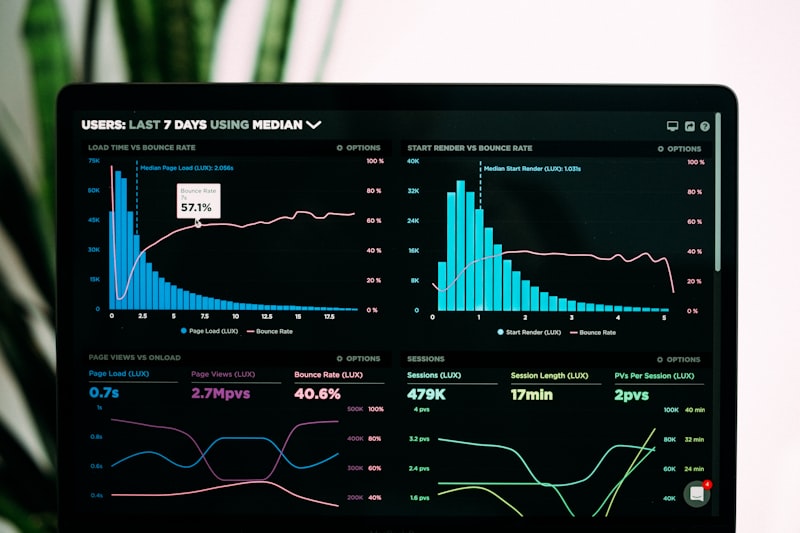
Traditional SEO analytics is inherently reactive. Teams analyze what happened — last month's traffic, yesterday's ranking positions, last quarter's conversion rates — and extrapolate forward using intuition and historical patterns. Predictive SEO analytics inverts this model by using machine learning to forecast what will happen: which keywords will trend upward, which pages are at risk of ranking decay, when seasonal demand shifts will occur, and how algorithm updates will affect specific content types.
In 2026, predictive analytics has matured from an experimental capability offered by a handful of enterprise platforms into a standard feature across the major SEO tool suites. Teams that adopt predictive workflows report making faster, more confident resource allocation decisions and capturing opportunities that reactive competitors consistently miss. This guide covers the technology behind predictive SEO, the most valuable forecasting applications, and how to integrate predictive intelligence into your strategy.
The Technology Behind Predictive SEO
Predictive SEO analytics relies on machine learning models trained on massive datasets of historical search behavior, ranking fluctuations, content performance, and external signals. These models identify patterns invisible to human analysis and project them forward with quantified confidence intervals.
Time Series Forecasting
The backbone of traffic prediction is time series analysis — statistical techniques that model sequential data points to project future values. Modern SEO platforms use advanced models like Prophet (developed by Meta), ARIMA variants, and deep learning architectures (LSTMs, Transformers) that account for multiple seasonality patterns, trend shifts, holiday effects, and anomaly events. These models process years of daily traffic data alongside external variables like Google Trends signals, industry news sentiment, and competitive publishing activity to produce traffic forecasts with typical accuracy ranges of 80-90% at the monthly level.
Ranking Trajectory Modeling
Predicting individual keyword rankings is inherently more volatile than traffic forecasting, but AI models have made significant progress. By analyzing the velocity and direction of ranking movements, the competitive landscape changes, and content freshness decay patterns, these models can predict with reasonable accuracy which keywords are likely to improve, decline, or remain stable over the next 30-90 days. This capability enables teams to proactively optimize pages before they lose visibility rather than reacting after the damage is done.
Trend Detection and Topic Forecasting
Perhaps the most valuable predictive capability is the identification of emerging search trends before they appear in traditional keyword volume data. AI models analyze signals from social media velocity, news coverage patterns, academic publication trends, patent filings, regulatory announcements, and early search query patterns to predict topics that will see significant search volume growth in the coming weeks or months. Early movers who create comprehensive content on rising topics before competition intensifies can capture first-mover ranking advantages that persist long after the trend matures.
Practical Applications of Predictive SEO
Content Calendar Optimization
Predictive models transform content calendars from editorial guesswork into data-driven publication schedules. By forecasting when specific topics will peak in search demand, teams can time content creation and publication to coincide with rising interest rather than responding after the peak. A travel brand, for example, can use predictive models to identify that searches for a specific destination will spike 8-10 weeks before the traditional booking season begins, allowing content to be indexed and gaining authority before peak demand arrives.
Proactive Content Refresh
Content decay — the gradual decline in rankings as content ages and competitors publish newer material — is one of the most predictable patterns in SEO. AI models trained on decay patterns across content types and industries can identify pages entering the early stages of decline before significant ranking loss occurs. The broader integration of forecasting capabilities within AI in SEO platforms means that proactive refresh workflows are now accessible to teams of any size, not just enterprise operations with dedicated analytics resources.
Budget and Resource Allocation
Predictive analytics enables more efficient allocation of SEO budgets by forecasting the expected return of investment in different activities. If the model predicts that a content cluster is approaching a tipping point where a small investment in additional supporting content would trigger significant ranking improvements, that investment can be prioritized over activities with lower predicted returns. Similarly, predictive models can identify when organic channel growth is plateauing for certain keyword categories, signaling that budget should shift to emerging opportunities.
Algorithm Update Preparedness
While no model can predict the exact timing or mechanics of Google algorithm updates, predictive systems can identify patterns in SERP volatility that historically precede major updates. More importantly, they can assess which pages in your portfolio are most vulnerable to quality-focused updates based on their content characteristics, engagement metrics, and competitive positioning. This vulnerability scoring enables teams to proactively strengthen at-risk content before an update impacts traffic.
Leading Predictive SEO Platforms in 2026
Several platforms have established leadership in predictive SEO analytics:
- BrightEdge Data Cube: Offers enterprise-grade traffic forecasting with market-level trend predictions and competitive intelligence. Its AI models analyze over 3.5 billion keywords to predict market shifts. Pricing is enterprise-custom.
- seoClarity: Features the Forecast module that predicts traffic impact of ranking changes and content investments. Strong integration with Google APIs for data accuracy. Starts at approximately $3,000/month.
- Semrush Trends: Provides market-level traffic predictions and competitive trend analysis accessible at mid-market pricing. Its integration with keyword and content tools creates a seamless predictive-to-action pipeline. Available from $139.95/month.
- MarketMuse: Specializes in content authority predictions, forecasting which content investments will yield the highest ranking improvements based on competitive gap analysis and topical authority modeling. Plans start at $149/month.
Building a Predictive SEO Workflow
Implementing predictive analytics effectively requires more than subscribing to a platform. A structured workflow integrates predictions into decision-making:
- Establish baselines. Before predictions are useful, you need clean historical data. Ensure at least 12-18 months of consistent tracking data across rankings, traffic, and conversions.
- Set forecast horizons. Define the time frames relevant to your business. Monthly forecasts suit tactical decisions; quarterly forecasts inform strategic planning; annual projections guide budget allocation.
- Calibrate with actuals. Regularly compare predictions against actual outcomes to calibrate model accuracy and identify systematic biases. This feedback loop improves forecast reliability over time.
- Act on predictions, not just data. The value of prediction is in the action it enables. Establish clear decision triggers: if a page's predicted ranking trajectory shows decline, initiate a content refresh. If a topic's predicted search volume shows growth, accelerate content creation.
- Communicate probabilistically. Share predictions with stakeholders as ranges and probabilities, not certainties. "We forecast a 15-25% traffic increase with 80% confidence" is more honest and useful than "traffic will increase 20%."
Limitations and Realistic Expectations
Predictive SEO analytics is powerful but not omniscient. External shocks — sudden algorithm changes, viral social events, global news developments — can invalidate forecasts instantly. Predictions are most reliable for stable, high-volume keywords and less reliable for volatile, low-volume, or emerging terms. The quality of predictions is directly proportional to the quality and duration of historical data; new sites or recently redesigned sites will produce less reliable forecasts.
The most effective teams treat predictions as informed estimates that reduce uncertainty rather than eliminate it. Combined with strategic judgment, competitive awareness, and the agility to respond when predictions prove wrong, predictive analytics becomes one of the most valuable capabilities in the modern SEO toolkit.
← Back to AI in SEO